Our expertise, explained

Transmission lines, substations, solar plants and civil works β€” here is what each one involves, how we execute it, and what to check before you award any contractor.

Technically transparent

Power infrastructure is built once and used for decades

Two offers for the "same" line or substation can be completely different jobs. The survey, the foundation design, the materials, the workmanship and the testing decide whether the asset performs safely for thirty years or keeps failing. So we explain how we work in each vertical β€” and we put the scope, materials and tests in writing.

High-voltage transmission towers01 Β· Transmission
Electrical Β· overhead lines

HT & EHT transmission lines

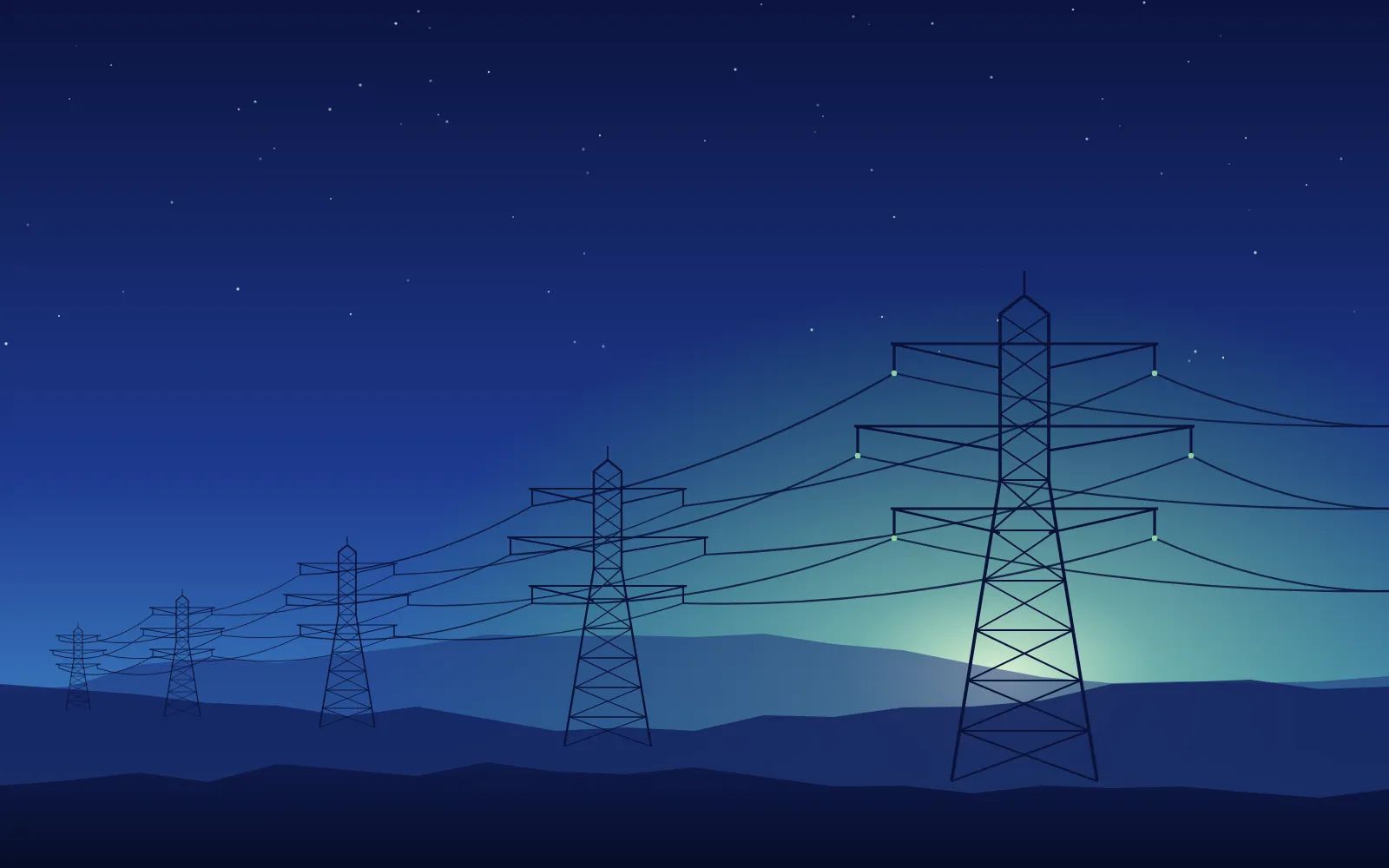
We take up overhead lines from the first survey to the final energisation: route alignment and profiling, tower spotting, foundations suited to the soil, tower erection, stringing of conductor and earth wire, and the checks that prove the line is ready to charge.

SurveyRoute alignment, detailed survey, profiling & tower spotting
FoundationsExcavation & concreting as per soil classification
ErectionLattice towers / poles β€” suspension & tension types
StringingConductor, earth wire / OPGW, insulators & hardware
FinishingSag & clearance checks, tower earthing, numbering & danger plates

Our approach: right-of-way, crossings and shutdowns are planned before mobilisation β€” that is what keeps a line on schedule.
Substation switchyard with transformers02 Β· Substation
Electrical Β· switchyard

Substations

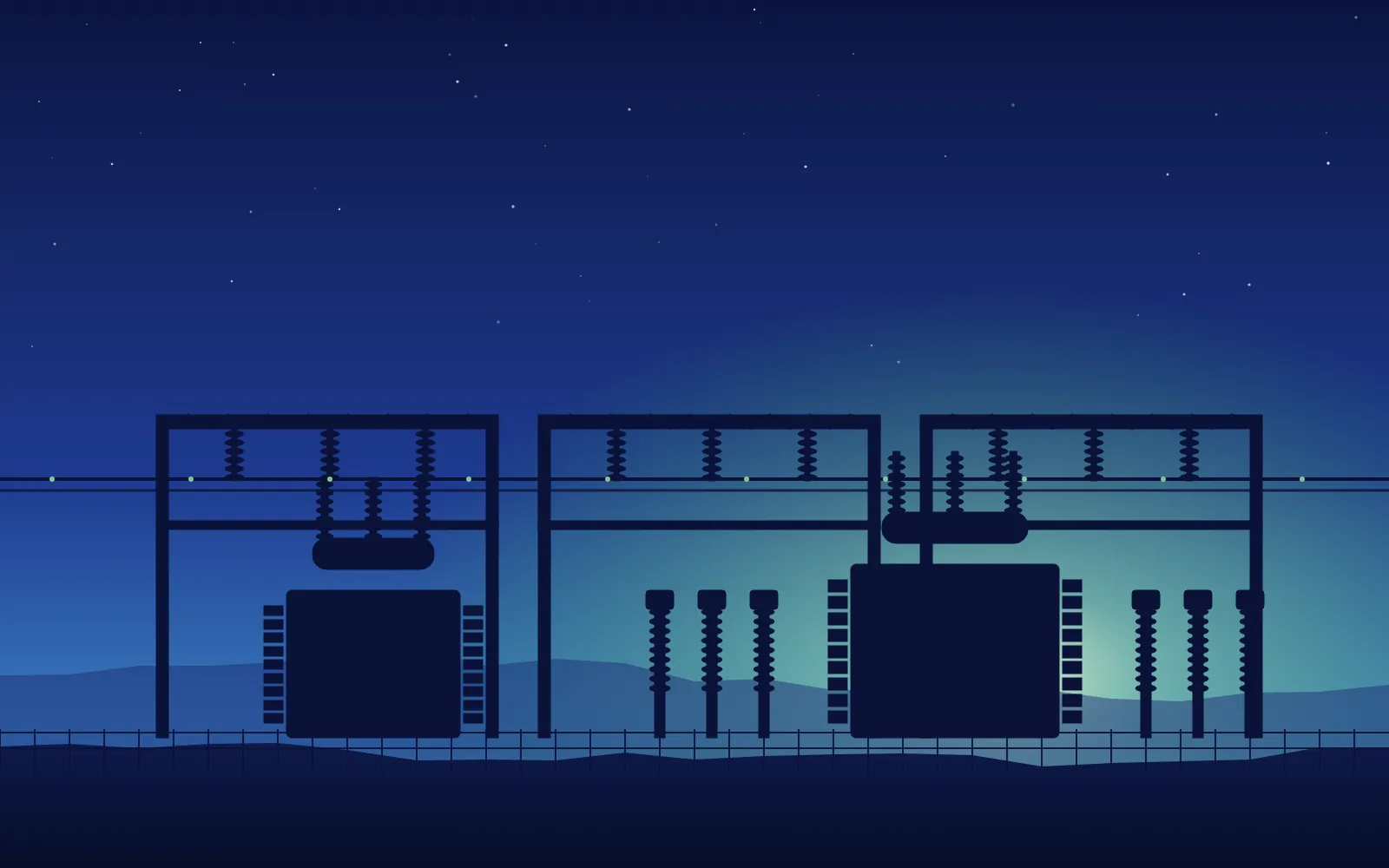
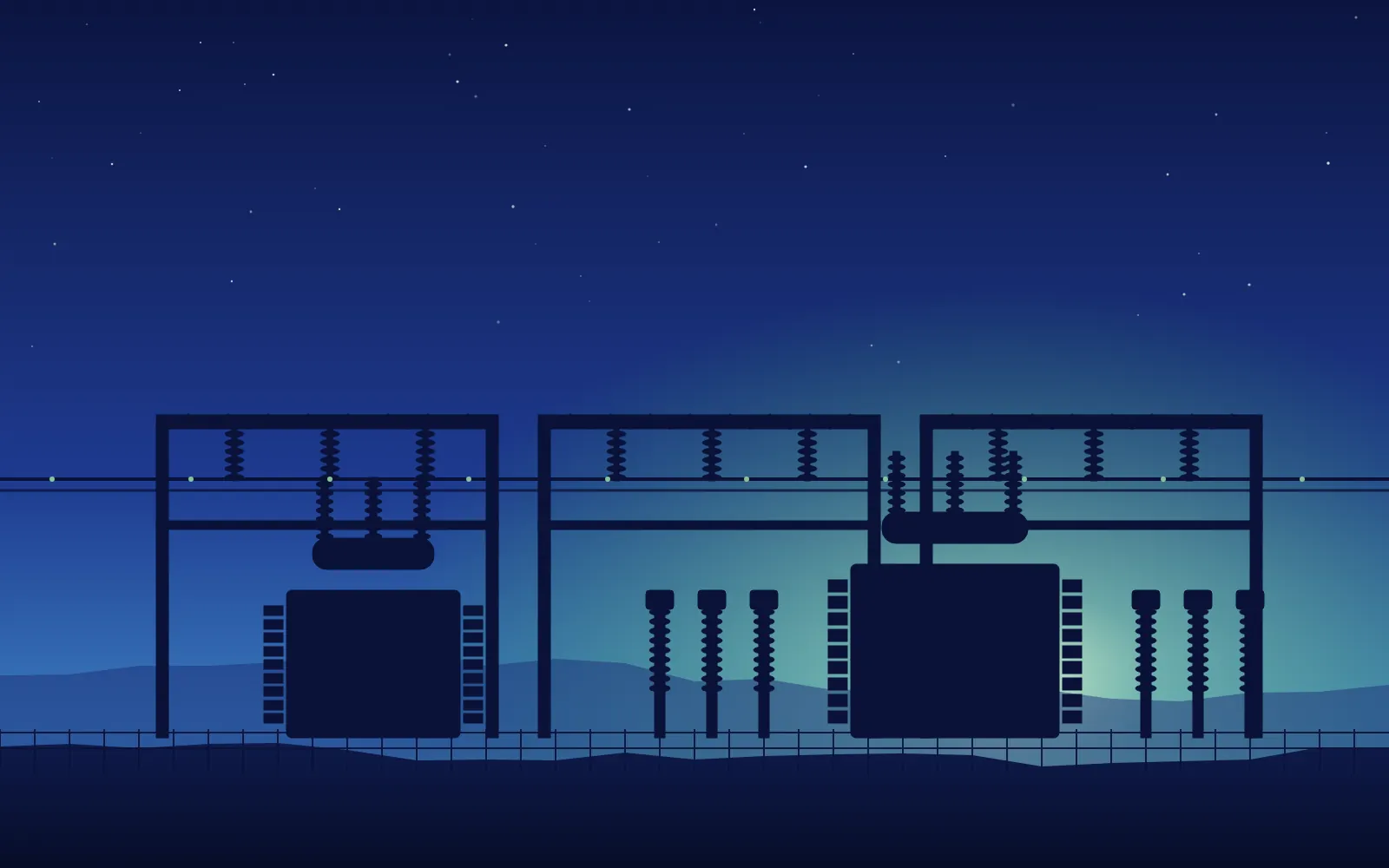
A substation brings civil, structural and electrical work together on one plot. We execute equipment and structure foundations, the earth mat, cable trenches and control room, then erect the switchyard structures and equipment, lay and terminate cables, and test every circuit before commissioning.

CivilFoundations, earth mat, cable trenches, control room, fencing
StructuresGantries, equipment support structures, bus-bars
EquipmentPower transformers, breakers, isolators, CTs / PTs, LAs
ControlControl & relay panels, battery & charger, cabling
CommissioningPre-commissioning tests and energisation support

Why it matters: a substation is only as reliable as its earthing, protection and cable terminations β€” so those are tested and recorded, not assumed.

Ground-mounted solar power plant03 Β· Solar EPC
Renewable Β· solar power

Solar EPC projects

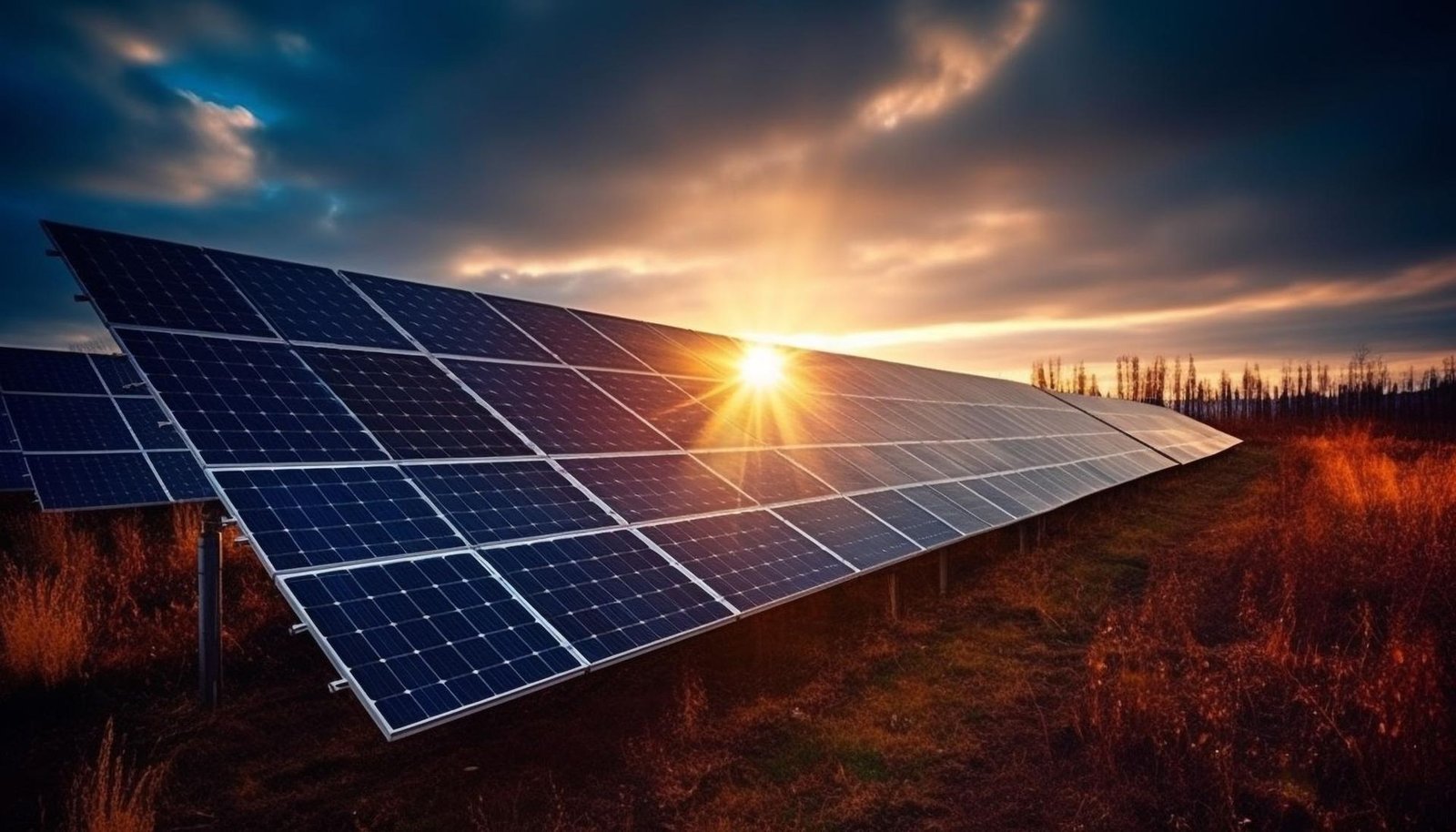
Rooftop and ground-mounted, grid-connected solar plants β€” designed around the site and the load, built with approved modules, inverters and corrosion-resistant structures, and connected to the grid with the right protection and metering.

TypesRooftop (RCC / metal sheet) & ground-mounted
DesignShadow study, layout, string / inverter sizing
StructuresGalvanised steel, wind-load based design
ElectricalACDB / DCDB, SPDs, earthing, lightning protection
After-salesMonitoring, cleaning schedules & O&M

Our approach: the plant has to generate for 25 years, so the structure, protection and cabling are engineered to last as long as the modules.

Building under construction with a tower crane04 Β· Civil
Civil Β· construction

Civil construction

Civil work is the base every electrical asset stands on. We execute tower and equipment foundations, control-room and office buildings, boundary walls, cable trenches, roads and drainage β€” built to approved drawings with material and workmanship checks at every stage.

FoundationsTower, equipment & structure foundations
BuildingsControl rooms, site offices, RCC buildings
Site worksBoundary walls, fencing, roads, drainage
TrenchesCable trenches, ducts & covers
QualityMaterial tests, cube tests, stage-wise checks

Why it matters: most electrical failures that start "on the ground" β€” settling foundations, waterlogged trenches β€” are civil problems. We avoid them at the source.

05 Β· Safety

Safety on site β€” planned, not improvised

Line and substation work means height, heavy lifts and electricity. Every crew follows the same safety system on every site, every day.

PPE for every worker

Helmets, safety shoes, gloves and full-body harnesses for tower and height work.

No PPE Β· no work

Permit-to-work

Written permits and shutdown coordination with the utility before any work near live circuits.

Shutdown planned

Work-zone earthing

Discharge and temporary earthing of the section being worked on, verified before work starts.

Test Β· earth Β· work

Toolbox talks

Daily briefing on the day's hazards, lifting plans and responsibilities.

Every morning
06 Β· Testing

Tested before it is charged

Typical checks we carry out and record before handover β€” the exact test list follows your specification and the equipment supplied.

Test / checkWhat it confirmsWhere it applies
Insulation resistanceCables, windings and equipment are healthy and dryLines, substations, solar
Earth resistanceEarthing system can safely carry fault currentTowers, earth mat, solar plants
Sag & clearanceConductors are at the right tension and safe heightTransmission & distribution lines
CT / PT ratio & polarityMetering and protection see the correct valuesSubstations
Transformer testsRatio, winding resistance and oil condition are in orderSubstations
Relay & interlock checksProtection trips correctly and interlocks workSubstations
String / inverter checksEach string and inverter performs as designedSolar plants
Before you award

Questions to ask any EPC contractor

Ask us these too. A good contractor answers every one clearly β€” and in writing.

Who will actually be on site?

Ask whether the contractor's own supervisors and crews will execute the work, how many, and who your single point of contact is.

How will safety be managed?

Ask for the safety plan: PPE, permits, shutdown coordination, work-zone earthing and height-work procedures.

Which materials and makes will be used?

The scope should name the materials, specifications and approved makes β€” not just "standard quality".

What is the schedule, and what can delay it?

Ask for a written schedule with milestones, and how right-of-way, shutdowns and material delivery will be handled.

What tests will be done before handover?

Ask for the list of pre-commissioning tests and whether you will receive the test reports.

Who do I call after handover?

Ask who handles defects and maintenance, and how quickly they can reach your site.

Discuss your project with our engineers

Share the scope, drawings or tender details β€” we will study them and come back with a clear plan.